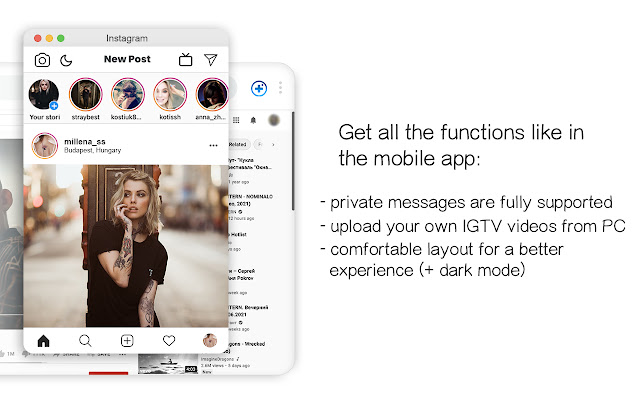
How Media Consumption Habits Are Changing Online

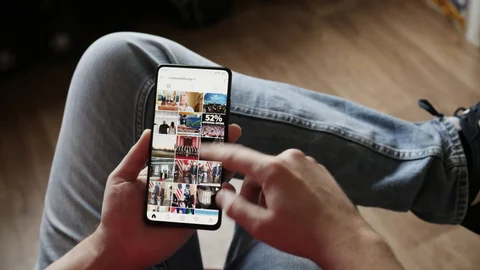
The way we consume media has changed dramatically over the past decade, driven by smartphones, streaming platforms, and social media. Traditional TV and print are no longer the primary sources of news and entertainment, as audiences increasingly turn to on-demand content, short-form videos, podcasts, and interactive digital experiences. These shifts are reshaping how brands, creators, and media companies engage with their audiences, requiring a deeper understanding of attention spans, content preferences, and platform behaviors. In this post, we’ll explore the evolving patterns of online media consumption, why they matter, and how businesses and creators can adapt to meet audiences where they are. Understanding these changes isn’t just about keeping up, it’s about staying relevant in an increasingly digital-first world.

Short-Form Video: Capturing Attention in Seconds
Short-form video has revolutionized online media consumption by delivering engaging content in seconds rather than minutes. Platforms like TikTok, Instagram Reels, and YouTube Shorts have capitalized on shrinking attention spans, offering bite-sized videos that are easy to watch, share, and engage with. These videos often combine music, visuals, text overlays, and trends to create highly shareable content that can go viral quickly. For audiences, short-form video provides instant entertainment, education, and inspiration without demanding significant time investment. For brands and creators, it offers a powerful tool to capture attention, build awareness, and encourage engagement in a crowded digital landscape. Success in short-form video relies on creativity, relevance, and immediacy—content must hook viewers within the first few seconds. As audiences increasingly favor quick, consumable media, short-form video has become a key driver of engagement, shaping the way we communicate, market, and interact online.
Social Media as a Primary News Source
Social media has transformed the way people access and consume news, increasingly becoming a primary source of information for millions worldwide. Platforms like Twitter, Facebook, and Instagram allow users to receive real-time updates, breaking news, and trending stories directly from both official outlets and peers. This shift offers immediacy and convenience, as audiences can scroll through personalized feeds anytime, anywhere. However, it also raises challenges, including misinformation, echo chambers, and the difficulty of verifying sources. Despite these risks, the influence of social media on public opinion and engagement continues to grow, as users share, comment on, and interact with news content in unprecedented ways. For media companies, journalists, and brands, understanding how audiences consume news on social platforms is crucial for delivering credible, engaging content. Adapting strategies to this new media landscape ensures relevance while fostering trust in an era where online information dominates.
The Growing Popularity of Podcasts and Audio Content
Podcasts and audio content have surged in popularity, becoming a significant component of online media consumption. Their appeal lies in flexibility—listeners can tune in while commuting, exercising, or multitasking—making audio a convenient way to consume information and entertainment. From true crime and storytelling to business insights and educational content, podcasts cater to virtually every interest and niche. This growth has been fueled by easy access through streaming platforms, mobile apps, and smart speakers, allowing creators to reach global audiences without traditional media barriers. Brands and marketers are also leveraging podcasts for authentic engagement, sponsorships, and thought leadership, recognizing the intimate connection audio fosters with listeners. As audiences increasingly seek personalized, on-demand content, podcasts and audio formats continue to redefine how people learn, relax, and stay informed. For creators and media companies, embracing audio content offers new opportunities to capture attention in a crowded digital landscape.
Conclusion
Online media consumption is evolving rapidly, from short-form videos and podcasts to social media-driven news. Understanding these trends is essential for creators, brands, and audiences alike. By adapting to changing habits and embracing new formats, you can engage effectively, stay relevant, and make the most of the digital media landscape.