Technology in Everyday Life: How Digital Innovation Is Quietly Reshaping the Modern World

Technology is no longer a separate sphere of life reserved for engineers, programmers, or Silicon Valley insiders. It has become the invisible infrastructure of modern existence—embedded in how we work, communicate, learn, shop, and even relax. From smartphones and cloud computing to artificial intelligence and smart homes, digital innovation is reshaping the world in ways both subtle and profound.
What makes today’s technological revolution different from previous ones is not just speed, but reach. Technology now touches nearly every aspect of daily life, often operating quietly in the background while transforming behavior, expectations, and social norms.
The Smartphone Era: A Personal Tech Hub
The smartphone is perhaps the most influential technological device of the 21st century. What began as a communication tool has evolved into a pocket-sized command center for modern life. Today’s smartphones function as cameras, wallets, navigation systems, health trackers, entertainment platforms, and productivity tools—all rolled into one.
This convergence has changed how people interact with information. News is consumed in real time, social interactions happen across continents instantly, and services that once required physical presence—banking, booking travel, attending meetings—can now be handled with a few taps.
At the same time, the smartphone era has introduced new challenges. Digital distraction, screen fatigue, and concerns over privacy and data security have sparked global conversations about responsible technology use. As devices become more powerful, the need for digital balance becomes increasingly important.
Artificial Intelligence Moves Into the Mainstream
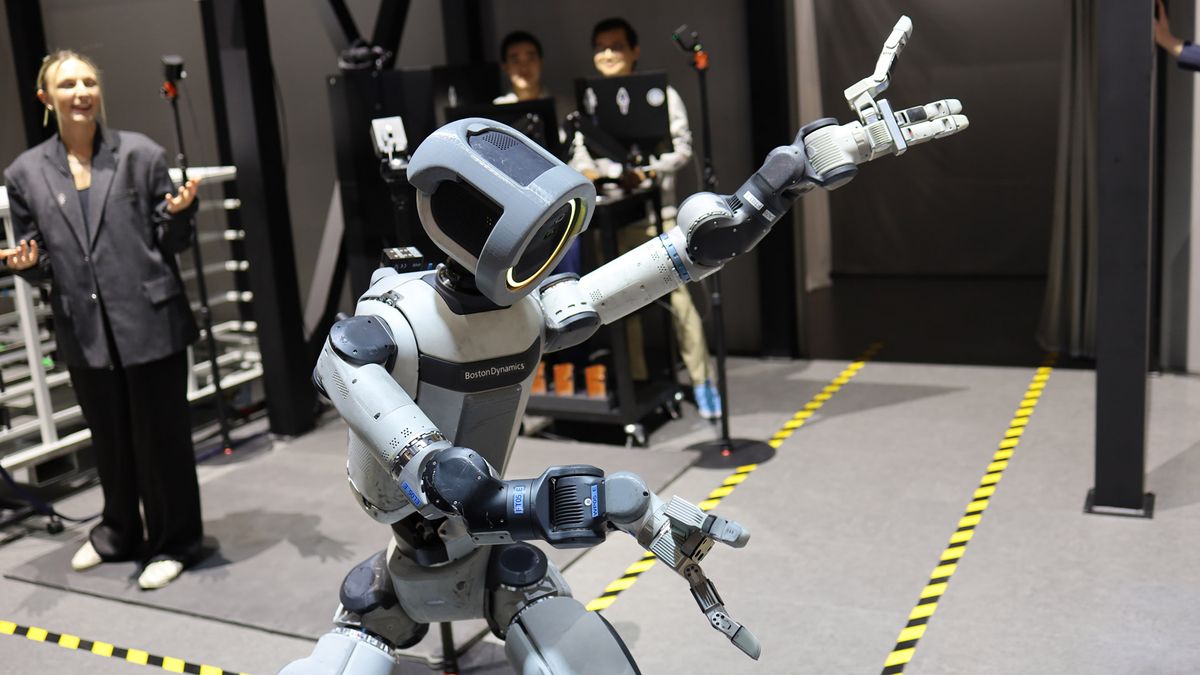
Artificial intelligence (AI) has shifted from a futuristic concept to a practical tool used across industries. AI algorithms now recommend what we watch, help filter spam emails, assist customer service chats, translate languages, and optimize logistics systems behind the scenes.
In the workplace, AI is enhancing productivity rather than simply replacing human labor. Automation handles repetitive tasks, allowing workers to focus on creativity, strategy, and problem-solving. In fields such as healthcare, AI assists doctors by analyzing medical images, predicting risks, and improving diagnostic accuracy.
However, the rise of AI also raises ethical questions. Issues such as algorithmic bias, job displacement, and transparency are prompting governments, companies, and researchers to consider how AI should be developed and regulated. The challenge lies in maximizing AI’s benefits while minimizing unintended consequences.
Cloud Computing and the Shift to Digital Infrastructure
Cloud computing has fundamentally changed how businesses and individuals store and access data. Instead of relying on physical servers or local hard drives, information now lives in distributed digital environments accessible from anywhere with an internet connection.
This shift has enabled remote work, global collaboration, and scalable digital services. Small startups can now access the same computing power as large corporations, leveling the playing field for innovation. Software updates, data backups, and security patches happen automatically, reducing technical barriers for users.
For consumers, cloud services mean seamless experiences—photos sync across devices, documents are accessible on demand, and entertainment streams instantly. Yet, as dependence on the cloud grows, so do concerns about data ownership, outages, and cybersecurity threats.
Smart Homes and the Internet of Things
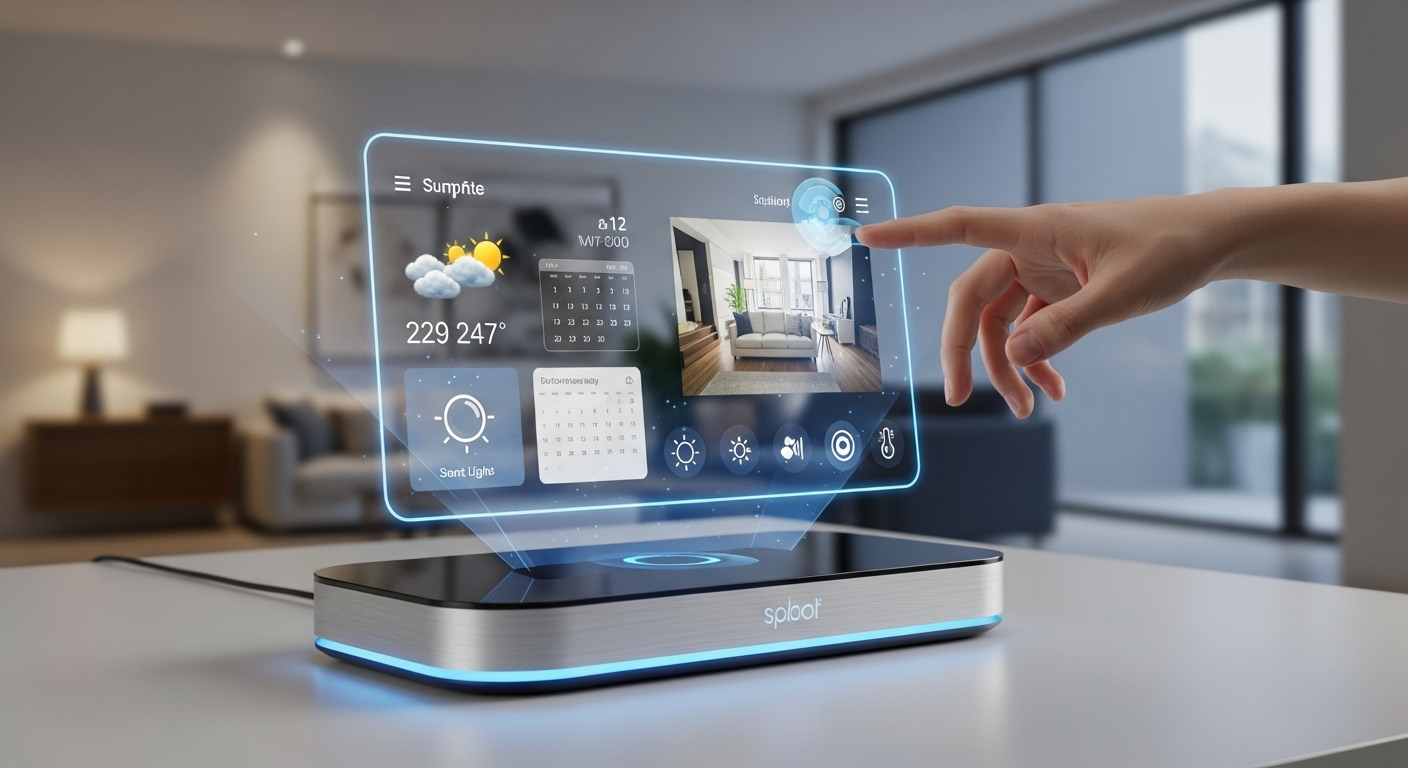
The Internet of Things (IoT) refers to everyday objects connected to the internet, capable of collecting and sharing data. Smart thermostats, voice assistants, security cameras, fitness trackers, and even kitchen appliances are now part of this growing ecosystem.
Smart homes promise convenience and efficiency. Lights adjust automatically, energy usage is optimized, and home security can be monitored remotely. For many users, these technologies enhance comfort while reducing costs and environmental impact.
However, increased connectivity also introduces vulnerabilities. Each connected device represents a potential entry point for cyberattacks, making security a critical consideration. As smart technology becomes more widespread, manufacturers and users alike must prioritize digital safety.
Technology and the Future of Work
Technology has dramatically redefined the workplace. Remote and hybrid work models, enabled by video conferencing, collaboration platforms, and cloud tools, have become mainstream. This shift has expanded talent pools, reduced commuting time, and changed expectations around work-life balance.
Automation and digital tools are also reshaping job roles. While some traditional tasks are becoming obsolete, new roles in data analysis, cybersecurity, digital marketing, and software development are emerging. Lifelong learning and digital skills are now essential for career resilience.
The future of work will likely be defined by adaptability. Workers who embrace technology as a partner rather than a threat will be better positioned to thrive in an increasingly digital economy.
Digital Privacy and Ethical Technology
As technology becomes more embedded in daily life, questions around privacy and ethics grow louder. Data is often described as the “new oil,” powering personalized services and targeted advertising. Yet many users remain unaware of how much information they share—or how it is used.
Governments worldwide are responding with data protection regulations aimed at increasing transparency and user control. At the same time, tech companies face pressure to design products that respect user rights and promote digital well-being.
Ethical technology is no longer a niche concern. It is becoming a competitive advantage, as consumers increasingly value trust, accountability, and responsible innovation.

Looking Ahead: Technology as a Human Tool
Despite its complexity, technology remains a human creation—shaped by values, decisions, and priorities. The most successful innovations are not those that simply push technical boundaries, but those that solve real problems and improve quality of life.
Future breakthroughs in areas such as renewable energy, biotechnology, and artificial intelligence hold immense promise. Yet progress will depend on thoughtful implementation, inclusive access, and ongoing dialogue between technologists, policymakers, and society at large.
Technology’s true power lies not in replacing human potential, but in amplifying it. As digital tools continue to evolve, the challenge for the modern world is not whether to adopt technology, but how to use it wisely, ethically, and sustainably.